Refining Gold
Refineries throughout
the world which are currently using toxic chemicals in their processes
should be encouraged to re-evaluate their refining processes.
Unfortunately, 90% of refineries today, use toxic chemicals in the production and processing of gold.
KB endeavors to perfect its mining and refining operations in order to ensure that the environment is preserved from contamination. We exclude the need for use of highly toxic
chemicals such as cyanide. It is our hope that other mining and
refining companies will conform to our environmentally friendly methods. Our technicians have developed unique machinery for the production of KB Precious Metals.
Gold nuggets are first put through a grinding process where grains of rubble and fossil are separated from the precious metal. This method of manufacturing our gold bullion ensures that all gold extracted from our KB mines is processed without the use of toxic chemicals.

KB has a tactical advantage in the market place. Not only does KB use their own mine(s) and refinery, KB uses others. KB maximizes gold extraction from tailings from other refineries.
Tailings, the pulverized stone that remains after processing, (also known as slimes, tails, leach residue, or slickens) are the materials left over after the process of separating the valuable fraction from the uneconomic fraction (gangue) of an ore.
Tailings are distinct from overburden or waste rock, which are the materials overlying an ore or mineral body that are displaced during mining without being processed.
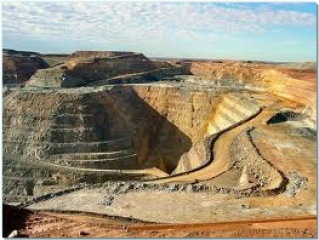
The key here is that KB is able to take competitor waste and refine more gold. There is an UNLIMITED supply in the marketplace. The extraction of minerals from ore can be done two ways: placer mining, which uses water and gravity to extract the valuable minerals, or hard rock mining, which uses pulverization of rock, then chemicals. In the latter, the extraction of minerals from ore requires that the ore be ground into fine particles, so tailings are typically small and range from the size of a grain of sand to a few microns. Mine tailings are usually produced from the mill in slurry form (a mixture of fine mineral particles and water). Tailings represent an external cost of mining, and this is particularly true of early mining operations which did not take adequate steps to make tailings areas environmentally safe after closure.
Modern day mines, particularly in jurisdictions with well developed mining regulations and/or operated by responsible mining companies, incorporate the rehabilitation and proper closure of tailings areas in the mining costs and activities. For example, the province of Quebec, Canada, requires not only submission of closure plan before the start of mining activity, but also the deposit of a financial guarantee equal to 70% of the estimated rehabilitation costs . Tailings dams are often the most significant environmental liability for a mining project.
KB has gone Green. KB's refinery technology is also totally Green. KB does NOT use toxic chemicals in their refining process. How many refineries can say that?
GOLDMEMBER
